
How Visual Identity Strengthens Advertising Results
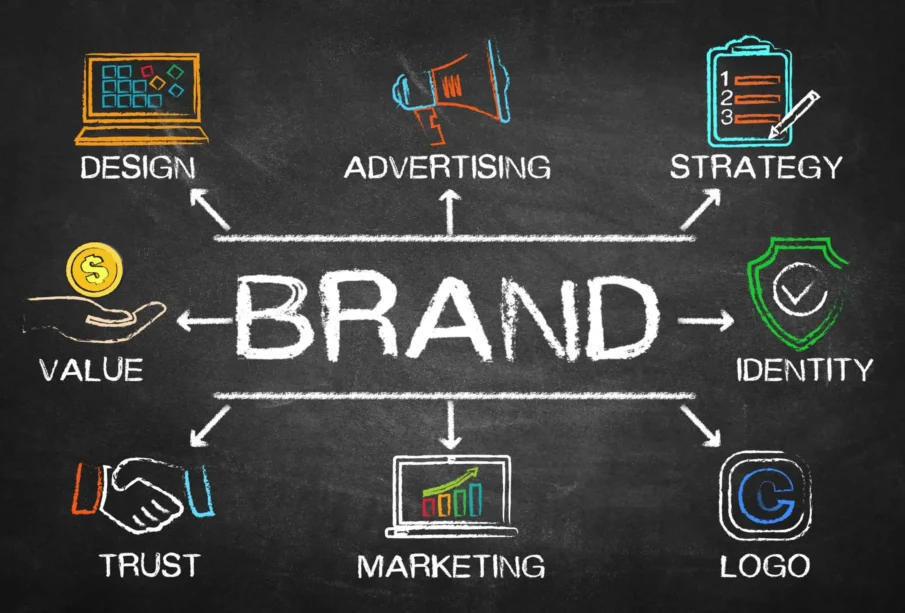
Visual identity plays a decisive role in how audiences recognize, remember, and respond to advertising. In competitive markets where customers encounter hundreds of promotional messages daily, strong visual consistency helps brands stand out and remain memorable.
Businesses that invest in a clear visual identity improve recognition, strengthen credibility, and increase campaign effectiveness across both digital and traditional channels. Rather than serving only aesthetic purposes, visual identity directly supports marketing performance and long-term brand value.
What Visual Identity Means in Advertising
Visual identity refers to the collection of visual elements that represent a brand consistently across communication channels.
These elements typically include:
- Logo design
- Color palette
- Typography style
- Image treatment and graphics
- Layout structures
- Iconography and visual symbols
When these components work together, they create a recognizable and cohesive advertising presence.
Why Visual Identity Matters for Advertising Performance 📊
Advertising succeeds when audiences quickly identify and connect with a message. Visual identity helps accelerate that connection.
Strong visual branding contributes to:
- Faster brand recognition
- Increased message recall
- Higher audience trust
- Improved campaign consistency
- Stronger emotional engagement
Consistency across campaigns ensures that each advertisement reinforces brand familiarity rather than starting from zero.
Key Elements of Visual Identity That Influence Advertising Results
Effective advertising relies on thoughtful integration of visual components.
Logo Consistency and Placement
A recognizable logo anchors brand identity within advertising materials.
Strategic logo usage helps:
- Reinforce brand presence instantly
- Improve recall across multiple campaigns
- Support credibility in unfamiliar markets
- Strengthen campaign continuity
Consistent placement improves recognition over time.
Strategic Use of Color Psychology 🎯
Color plays a powerful role in shaping perception and emotional response.
Brands often use color to communicate:
- Trust and reliability
- Innovation and creativity
- Energy and excitement
- Sophistication and luxury
- Simplicity and clarity
Consistent color usage strengthens visual memory among audiences.
Typography That Reflects Brand Personality
Typography influences how audiences interpret advertising tone.
Well-selected typography supports:
- Message clarity
- Professional presentation
- Brand character expression
- Visual hierarchy across content
Typography consistency ensures readability across platforms.
Imagery That Supports Brand Storytelling
Images help audiences interpret advertising messages quickly.
Effective visual storytelling includes:
- Authentic lifestyle imagery
- Product demonstration visuals
- Contextual usage scenarios
- Consistent graphic styles
Strong imagery increases engagement and message understanding.
Visual Identity Improves Brand Recall in Advertising Campaigns
Advertising campaigns often compete for limited attention. A consistent visual system improves the likelihood that audiences remember a brand after exposure.
Businesses benefit through:
- Stronger repetition-based recognition
- Easier cross-channel campaign linking
- Reduced confusion between competitors
- Improved long-term awareness development
Recall plays a central role in influencing purchase decisions.
The Role of Consistency Across Advertising Channels 🌐
Modern advertising spans multiple platforms, including digital media, outdoor promotions, print materials, and social channels. Visual identity ensures alignment across all environments.
Consistent branding supports:
- Seamless customer experiences
- Stronger trust across touchpoints
- Efficient campaign scaling
- Faster audience recognition across formats
Consistency transforms individual advertisements into a unified strategy.
Visual Identity Builds Credibility and Professional Trust
Audiences often judge brand reliability based on presentation quality. A structured visual identity signals organization, clarity, and confidence.
Professional visual branding helps:
- Strengthen first impressions
- Support premium positioning strategies
- Improve perceived product quality
- Increase advertising effectiveness in competitive markets
Trust directly influences purchasing behavior.
Supporting Digital Advertising Through Visual Structure 💻
Digital advertising environments reward clarity and recognition. Visual identity improves performance across mobile screens, social platforms, and online campaigns.
Key advantages include:
- Faster attention capture during scrolling
- Improved click-through engagement
- Better adaptation across screen sizes
- Consistent experience between ads and landing pages
These factors strengthen campaign efficiency.
Challenges Businesses Face When Building Visual Identity Systems
Despite its importance, many organizations struggle to maintain consistent visual branding.
Common challenges include:
- Inconsistent design usage across teams
- Lack of documented brand guidelines
- Frequent campaign redesign changes
- Limited coordination between departments
- Difficulty adapting visuals across platforms
Clear guidelines help maintain consistency across marketing activities.
Measuring the Impact of Visual Identity on Advertising Results 📈
Organizations can evaluate visual identity effectiveness using performance indicators.
Typical measurement methods include:
- Brand recognition surveys
- Campaign engagement metrics
- Conversion rate improvements
- Customer recall testing
- Cross-channel consistency evaluations
Tracking performance ensures visual strategies remain aligned with business goals.
The Future of Visual Identity in Advertising Strategy 🔮
Visual identity continues evolving alongside digital communication trends and audience expectations. Brands increasingly rely on adaptable design systems that maintain consistency while supporting personalization.
Future developments are likely to include:
- Motion-based visual identity elements
- Adaptive layouts for multiple devices
- Data-informed design optimization
- Interactive branding experiences
- Integrated cross-platform visual ecosystems
Organizations that maintain consistent and flexible visual systems will remain more competitive in modern advertising environments.
Frequently Asked Questions (FAQs)
1. How does visual identity differ from brand identity?
Brand identity includes messaging, values, tone, and positioning, while visual identity focuses specifically on design elements such as logos, colors, and typography.
2. Can small businesses benefit from strong visual identity in advertising?
Yes. Even simple and consistent visual systems help smaller brands compete effectively by improving recognition and credibility.
3. How often should visual identity guidelines be updated?
Guidelines should evolve gradually as markets change, but core visual elements should remain stable to preserve recognition.
4. Does visual identity influence customer loyalty?
Consistent visual presentation strengthens familiarity and trust, which can support long-term customer relationships.
5. Should visual identity remain identical across all regions?
Core elements should remain consistent, though certain adaptations may improve relevance in different cultural markets.
6. How does visual identity support product launches?
Strong visual systems help new products connect immediately with existing brand recognition and customer expectations.
7. Can visual identity improve social media advertising performance?
Yes. Recognizable visual patterns help users identify branded content quickly while scrolling, improving engagement and recall.