Practical Uses for Fiber Cement in Modern Construction
Construction has come a long way over the years, and with that comes a demand for new materials that can stand up to different environments, including Thailand’s hot, humid weather. One material that’s gaining popularity worldwide is fiber cement. Known for being strong and versatile, it’s becoming a top choice for builders who want something that looks good and lasts. If you’re curious about how fiber cement can work for your next project, here are a few ideas to get you started.
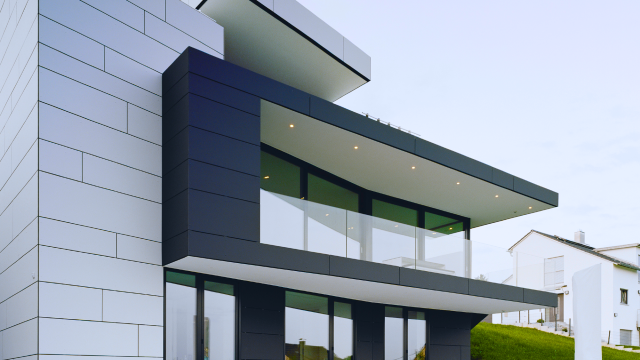
Fiber cement is often chosen because it’s durable, low-maintenance, and resistant to termites and rot. A decorative fiber cement supplier can offer panels and boards that not only stand up to harsh conditions but also add a clean, modern finish to buildings. This material is ideal for cladding, which gives houses and commercial spaces a sleek appearance while also adding protection from rain and heat.
Another popular use for fiber cement is in interior wall panels. In places where moisture is an issue, like kitchens and bathrooms, fiber cement offers a practical solution that won’t warp or swell. Plus, it can be painted to match any color scheme, making it easy to blend with different design styles.
Roofing is another area where fiber cement shines. Traditional roofing materials can be heavy or wear down quickly in tropical climates. Fiber cement tiles provide a lighter alternative that still offers solid protection from rain, wind, and heat. They also tend to be easier to install, which can help keep construction times shorter.
In addition to homes, fiber cement is used in commercial and industrial settings around the world. Factories, warehouses, and office spaces benefit from the strength and low upkeep of this material. It handles the wear and tear of daily use without showing signs of damage easily. For areas exposed to heavy use, it’s a smart and cost-effective choice.
Even outdoor features like fences and garden walls can make good use of fiber cement. Since it’s resistant to termites and weather damage, it holds up well over time compared to traditional wood. This means fewer repairs and replacements in the long run, saving both time and money.
For those interested in sustainable building practices, fiber cement also offers some eco-friendly benefits. It can be made from recycled materials and has a long lifespan, which means less waste heading to landfills. Plus, its insulating properties can help reduce the need for constant air conditioning, which is a win for both the environment and energy bills.
With its many uses and practical advantages, fiber cement is clearly a solid choice for construction projects large and small, offering both style and substance without the hassle of constant maintenance.