Modern Marketing Strategies That Deliver Results
Introduction
Modern marketing strategies have evolved far beyond traditional advertising methods. Today’s organizations rely on data insights, customer engagement, digital platforms, and personalized communication to build strong brand presence and generate measurable results. Businesses that adopt smart marketing strategies can reach the right audience faster and create lasting relationships that translate into sustained growth 📊.
In competitive markets, success depends on choosing strategies that are customer-focused, technology-driven, and performance-oriented rather than relying on assumptions or outdated techniques.
What Are Modern Marketing Strategies?
Modern marketing strategies refer to structured approaches that use digital tools, customer behavior insights, and innovative communication channels to promote products and services effectively. These strategies emphasize interaction, personalization, and measurable outcomes rather than one-way promotion.
They help businesses:
- Increase visibility
- Improve customer engagement
- Strengthen brand credibility
- Generate qualified leads
- Boost conversion rates
Organizations that align marketing with customer expectations often achieve faster and more sustainable results.
Importance of Modern Marketing Strategies
Modern strategies are essential for staying competitive in dynamic business environments. They enable companies to respond quickly to market trends and consumer preferences.
Key benefits include:
- Precise audience targeting
- Improved return on investment (ROI)
- Stronger customer relationships
- Real-time performance tracking
- Increased brand loyalty
- Better adaptability to market changes
Businesses that invest in strategic marketing planning often experience consistent growth and stronger market positioning.
Data-Driven Marketing
Data-driven marketing focuses on using analytics and measurable insights to guide decisions rather than relying on intuition alone.
Organizations apply data to:
- Understand customer behavior
- Predict purchasing patterns
- Optimize campaign performance
- Personalize communication
With access to real-time insights, marketers can adjust campaigns quickly and improve effectiveness continuously.
Content Marketing That Builds Trust
Content marketing plays a central role in modern strategy development. Instead of direct selling, businesses provide valuable information that solves customer problems.
Effective content marketing includes:
- Educational blog articles
- Informative videos
- Case studies
- Guides and tutorials
- Industry insights
When customers receive useful content regularly, they are more likely to trust the brand and remain loyal over time.
Social Media Marketing for Engagement
Social media platforms provide opportunities for businesses to interact directly with customers and build meaningful relationships.
Successful social media strategies involve:
- Consistent posting schedules
- Interactive storytelling
- Responding to customer feedback
- Influencer collaborations
- Live sessions and product demonstrations
Active engagement helps businesses remain visible and relevant in fast-changing digital spaces 📱.
Search Engine Optimization (SEO)
Search engine optimization improves website visibility on search engines, making it easier for potential customers to find products and services online.
Important SEO practices include:
- Using relevant keywords strategically
- Creating high-quality content
- Improving website loading speed
- Optimizing mobile compatibility
- Building credible backlinks
Strong SEO performance ensures long-term organic traffic growth without excessive advertising costs.
Personalization in Marketing Communication
Modern customers expect brands to understand their preferences and needs. Personalization improves communication effectiveness and strengthens customer relationships.
Businesses personalize marketing through:
- Targeted email campaigns
- Customized product recommendations
- Location-based offers
- Behavior-based messaging
Personalized experiences increase engagement and encourage repeat purchases.
Influencer Marketing for Brand Credibility
Influencer marketing allows brands to connect with audiences through trusted voices within specific communities.
Benefits include:
- Higher audience trust
- Faster brand awareness
- Improved engagement rates
- Expanded market reach
When implemented thoughtfully, influencer collaborations create authentic connections between brands and customers.
Omnichannel Marketing Approach
Omnichannel marketing ensures consistent customer experience across multiple platforms.
Examples include:
- Websites
- Social media platforms
- Mobile applications
- Email communication
- Physical retail environments
A unified experience strengthens brand identity and improves customer satisfaction across touchpoints.
Marketing Automation for Efficiency
Marketing automation tools help businesses manage campaigns efficiently and reduce manual effort.
Automation supports:
- Email scheduling
- Lead nurturing
- Customer segmentation
- Campaign performance tracking
- Follow-up communication
Automated workflows allow marketing teams to focus on strategic planning instead of repetitive tasks ⚙️.
Video Marketing for Stronger Impact
Video marketing has become one of the most powerful tools for communicating messages quickly and clearly.
Popular video formats include:
- Product demonstrations
- Customer testimonials
- Educational explainers
- Behind-the-scenes content
- Live streaming sessions
Videos increase engagement levels and improve message retention among audiences.
Customer Experience as a Marketing Strategy
Modern marketing extends beyond promotion to include the entire customer journey. Businesses that prioritize experience create stronger emotional connections with their audience.
Improving customer experience involves:
- Fast response times
- Transparent communication
- Easy purchasing processes
- Reliable after-sales support
- Personalized interactions
Positive experiences encourage long-term loyalty and word-of-mouth promotion.
Measuring Marketing Performance Effectively
Modern strategies rely heavily on performance evaluation. Measuring outcomes helps organizations refine campaigns and allocate resources efficiently.
Common performance indicators include:
- Website traffic growth
- Conversion rates
- Engagement levels
- Customer acquisition cost
- Return on marketing investment
Tracking these indicators ensures continuous improvement in marketing effectiveness.
Conclusion
Modern marketing strategies that deliver results combine technology, creativity, analytics, and customer understanding. Businesses that adopt integrated approaches such as content marketing, SEO, personalization, automation, and omnichannel engagement can build stronger brand identities and maintain competitive advantage.
Organizations that consistently adapt their marketing strategies to evolving customer expectations position themselves for long-term success in rapidly changing markets 🚀.
Frequently Asked Questions (FAQs)
1. How often should businesses update their marketing strategies?
Marketing strategies should be reviewed regularly—typically quarterly—to ensure alignment with market trends and performance outcomes.
2. What skills are essential for modern marketing professionals?
Key skills include data analysis, digital communication, content creation, strategic thinking, and adaptability to technological changes.
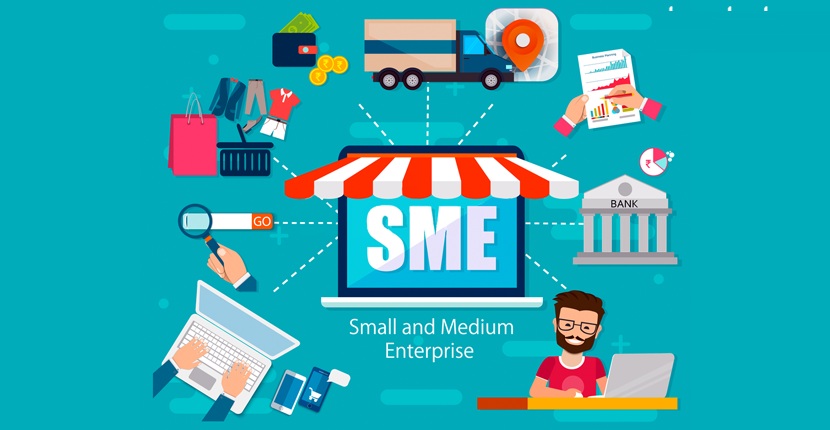
3. Can small businesses benefit from modern marketing strategies?
Yes, small businesses can achieve significant growth by using cost-effective digital tools and targeted marketing techniques.
4. How does customer feedback improve marketing effectiveness?
Customer feedback helps identify strengths and weaknesses in campaigns, allowing businesses to refine strategies for better results.
5. What role does storytelling play in modern marketing?
Storytelling helps brands create emotional connections with customers, making messages more memorable and persuasive.
6. How important is consistency in branding across marketing platforms?
Consistency strengthens brand recognition and ensures customers receive a clear and unified message across all channels.
7. What is the impact of mobile users on modern marketing planning?
Mobile users influence strategy design by encouraging businesses to create fast-loading, responsive, and mobile-friendly content experiences.