Workforce Transformation Across Industries

Workforce transformation is reshaping how organizations structure teams, develop skills, and deliver value in a rapidly evolving economy. Advances in automation, digital platforms, and remote collaboration tools are changing not only what employees do, but how they do it.
Across industries, companies are redesigning roles, investing in skill development, and building flexible work environments that support productivity and innovation. As expectations shift among both employers and employees, workforce transformation has become essential for long-term competitiveness.
What Workforce Transformation Means Today
Workforce transformation refers to the strategic reshaping of talent, skills, workplace culture, and operating models to meet changing business demands.
It includes adjustments such as:
- Adopting digital collaboration tools
- Redesigning job roles around technology integration
- Supporting continuous learning programs
- Encouraging flexible working environments
- Aligning workforce capabilities with future industry needs
Organizations that actively evolve their workforce strategies are better positioned to respond to economic and technological change.
Key Drivers Behind Workforce Transformation
Several factors are accelerating workforce change across sectors.
Major drivers include:
- Automation and artificial intelligence reshaping routine tasks
- Expansion of remote and hybrid work models
- Growing demand for digital literacy across roles
- Increased competition for specialized talent
- Changing employee expectations around flexibility and purpose
These forces are pushing companies to rethink how work is structured and delivered.
The Role of Digital Technology in Workforce Evolution 💻
Digital tools have become central to how employees collaborate, communicate, and perform tasks efficiently.
Common workplace technologies supporting transformation include:
- Cloud-based productivity platforms
- Real-time communication tools
- Workflow automation systems
- Data analytics dashboards
- Virtual training environments
These technologies enable teams to operate seamlessly across locations while maintaining strong coordination.
Reskilling and Upskilling: Building Future-Ready Employees
One of the most important elements of workforce transformation is continuous learning.
Organizations are investing in training programs that help employees:
- Adapt to new technologies quickly
- Strengthen analytical thinking skills
- Improve digital collaboration capabilities
- Transition into emerging job roles
- Increase problem-solving capacity
Reskilling ensures that employees remain relevant as industries evolve.
Industry-Wide Workforce Changes in Action
Manufacturing: From Manual Tasks to Smart Operations 🏭
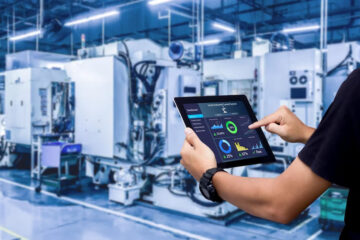
Manufacturing roles are shifting toward technical supervision and system monitoring rather than repetitive manual labor.
Workers increasingly engage in:
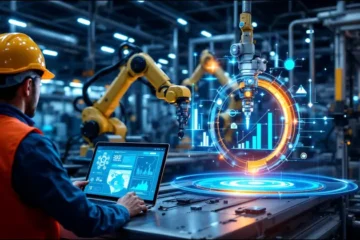
- Operating automated machinery
- Managing digital production dashboards
- Supporting predictive maintenance systems
- Coordinating connected supply chains
This shift improves productivity while creating demand for technical expertise.
Healthcare: Expanding Technology-Enabled Roles 🏥
Healthcare professionals are using digital systems to improve coordination and patient outcomes.
Workforce changes include:
- Managing electronic health records efficiently
- Delivering virtual consultations
- Using diagnostic support tools
- Coordinating multidisciplinary care through shared platforms
Technology is strengthening collaboration across healthcare teams.
Finance: Data-Driven Decision Support 💳
Financial professionals now rely heavily on analytics tools to guide strategy and operations.
Modern responsibilities often involve:
- Monitoring digital transactions securely
- Interpreting financial data trends
- Supporting compliance through automation tools
- Enhancing customer experience through digital channels
These changes increase both speed and accuracy in financial services.
Retail: Customer-Centered Workforce Models 🛍️
Retail employees are increasingly working across physical and digital sales environments.
New workforce expectations include:
- Managing online order fulfillment systems
- Supporting omnichannel customer engagement
- Using inventory analytics tools
- Delivering personalized service experiences
Retail roles are becoming more technology-enabled and service-focused.
Leadership’s Role in Supporting Workforce Transformation
Successful workforce transformation depends heavily on organizational leadership.
Leaders contribute by:
- Promoting a culture of continuous learning
- Encouraging innovation and experimentation
- Supporting flexible work arrangements
- Aligning workforce strategy with business goals
- Investing in employee wellbeing initiatives
Strong leadership helps employees adapt confidently to change.
Benefits of Workforce Transformation for Organizations
Organizations that embrace workforce evolution often experience measurable improvements.
Key advantages include:
- Higher employee engagement
- Increased operational efficiency
- Faster adoption of emerging technologies
- Improved collaboration across teams
- Stronger talent retention rates
These outcomes support both performance and organizational resilience.
Challenges Businesses Face During Workforce Transition
While transformation offers clear benefits, implementation requires careful planning.
Common challenges include:
- Managing resistance to organizational change
- Addressing skill gaps across teams
- Balancing automation with job redesign
- Ensuring equal access to learning opportunities
- Maintaining employee morale during transitions
Organizations that prioritize communication and support strategies typically navigate these challenges more effectively.
The Future of Workforce Transformation 🔮
Workforce transformation will continue shaping how industries operate as technologies evolve and employee expectations shift further.
Future workplaces are likely to emphasize:
- Flexible career pathways
- Cross-functional collaboration
- Continuous skill development
- Human–technology partnership models
- Data-informed workforce planning
Companies that adapt early will remain more agile and competitive in the years ahead.
Frequently Asked Questions (FAQs)
1. How does workforce transformation differ from workforce restructuring?
Workforce restructuring focuses mainly on organizational changes such as role adjustments or staffing levels, while workforce transformation involves broader shifts in skills, culture, technology integration, and work models.
2. What role does employee experience play in workforce transformation?
Employee experience influences productivity and retention. Organizations that improve workplace flexibility, communication tools, and learning opportunities typically see stronger engagement.
3. How can organizations measure workforce transformation success?
Success can be evaluated through indicators such as skill development progress, productivity improvements, collaboration effectiveness, and employee satisfaction levels.
4. Does workforce transformation affect organizational culture?
Yes. It often encourages cultures centered on adaptability, collaboration, innovation, and continuous learning.
5. What industries are experiencing the fastest workforce transformation today?
Technology, healthcare, manufacturing, finance, logistics, and education sectors are among those undergoing rapid workforce evolution.
6. How important is workforce data in transformation planning?
Workforce analytics helps organizations identify skill gaps, forecast talent needs, and design effective training strategies aligned with business goals.
7. Can workforce transformation improve employee retention?
Yes. Providing career development opportunities, flexible work options, and modern tools often increases employee satisfaction and long-term commitment.