Industrial IoT Applications in Modern Operations
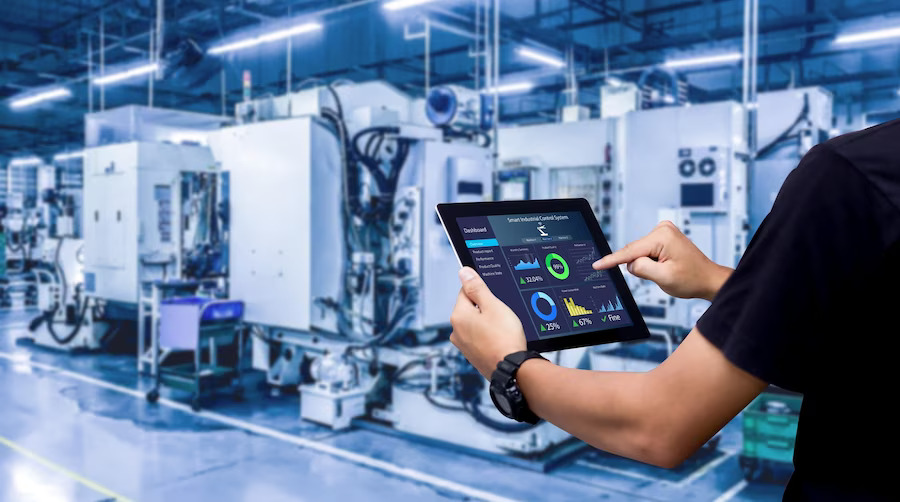
Industrial Internet of Things (Industrial IoT or IIoT) is transforming how organizations monitor equipment, manage production workflows, and optimize operational performance. By connecting machines, sensors, and analytics platforms, businesses gain real-time visibility into processes that were once difficult to measure or control.
Modern operations across manufacturing, logistics, energy, and infrastructure now rely on connected systems that improve efficiency, reduce downtime, and support smarter decision-making. As industries continue digitizing their environments, IIoT has become a practical driver of productivity rather than just a technological trend.
What Is Industrial IoT and Why It Matters
Industrial IoT refers to networks of connected sensors, devices, machines, and analytics systems that collect and exchange operational data across industrial environments.
Unlike consumer IoT applications such as smart homes, IIoT focuses on:
- Process optimization
- Asset reliability
- Worker safety
- Energy efficiency
- Predictive decision-making
Organizations adopting IIoT can identify inefficiencies quickly and respond before small problems escalate into costly disruptions.
Key Components of Industrial IoT Systems 🔧
Effective IIoT deployments rely on multiple interconnected technologies working together.
These typically include:
- Smart sensors that capture machine performance data
- Connectivity networks enabling device communication
- Edge computing systems processing data locally
- Cloud platforms storing operational information
- Analytics software converting data into insights
Together, these components create an intelligent operational ecosystem.
Major Industrial IoT Applications in Modern Operations
1. Predictive Maintenance for Equipment Reliability
Predictive maintenance is one of the most valuable IIoT applications in industrial environments.
Connected sensors monitor equipment conditions such as:
- Temperature changes
- Vibration levels
- Pressure variations
- Energy consumption patterns
When systems detect unusual behavior, alerts allow maintenance teams to intervene before failure occurs. This reduces downtime and extends machinery lifespan.
2. Smart Manufacturing and Production Optimization 🏭
IIoT enables factories to operate as connected production environments where machines communicate automatically.
Key improvements include:
- Real-time monitoring of production lines
- Automated quality control tracking
- Faster identification of bottlenecks
- Improved workflow coordination
Manufacturers can adjust processes instantly based on live performance data.
3. Energy Management and Resource Efficiency ⚡
Industrial facilities consume significant amounts of electricity and fuel. IIoT systems help monitor usage patterns and identify waste.
Energy optimization benefits include:
- Tracking peak consumption periods
- Detecting inefficient equipment behavior
- Supporting sustainability goals
- Lowering operational costs
Organizations using energy analytics platforms often achieve measurable reductions in utility expenses.
4. Supply Chain Visibility and Logistics Tracking 🚚
Industrial IoT improves transparency across supply chain operations by connecting inventory systems, vehicles, and storage environments.
Common applications include:
- Shipment tracking in real time
- Smart warehouse monitoring
- Temperature-sensitive cargo management
- Inventory automation systems
These capabilities help businesses maintain consistent delivery performance and reduce loss.
5. Workplace Safety Monitoring 👷
Worker safety improves significantly when operations integrate connected monitoring systems.
Examples include:
- Wearable devices detecting hazardous conditions
- Smart helmets with location tracking
- Environmental sensors identifying gas leaks
- Emergency response automation alerts
Safer workplaces also lead to improved compliance and reduced operational risk.
6. Remote Asset Monitoring Across Facilities 🌍
Organizations managing multiple facilities benefit from centralized visibility through IIoT platforms.
Remote monitoring enables teams to:
- Track equipment performance across locations
- Compare operational efficiency between plants
- Identify maintenance priorities quickly
- Reduce travel-related inspection costs
This capability is especially valuable in industries such as oil and gas, utilities, and infrastructure management.
Benefits of Industrial IoT for Modern Operations
Organizations adopting IIoT technologies experience improvements across several operational areas.
Key advantages include:
- Reduced downtime through predictive maintenance
- Increased productivity through automation insights
- Better decision-making using real-time analytics
- Improved product quality through monitoring systems
- Enhanced safety compliance across worksites
These outcomes directly support long-term operational resilience.
Challenges in Implementing Industrial IoT Systems
Despite strong benefits, successful IIoT adoption requires careful planning and investment.
Common challenges include:
- Integration with legacy industrial equipment
- Cybersecurity risks affecting connected systems
- High initial infrastructure costs
- Workforce training requirements
- Data management complexity
Organizations that address these factors early often achieve smoother implementation results.
The Future of Industrial IoT in Operations 🚀
Industrial IoT continues evolving alongside technologies such as artificial intelligence, edge analytics, and digital twins. These advancements will enable even faster insights and more autonomous operational environments.
As connectivity improves and sensor costs decrease, IIoT adoption is expected to expand across industries seeking smarter, safer, and more efficient operations.
Frequently Asked Questions (FAQs)
1. How is Industrial IoT different from traditional automation systems?
Traditional automation performs predefined tasks, while Industrial IoT connects systems to collect real-time data and support adaptive decision-making across operations.
2. Which industries benefit most from Industrial IoT adoption?
Industries such as manufacturing, logistics, energy production, utilities, transportation, and infrastructure management benefit significantly from IIoT integration.
3. Does Industrial IoT require cloud computing to function effectively?
Not always. Many IIoT systems use edge computing to process data locally, though cloud platforms are commonly used for large-scale analytics and storage.
4. What role do sensors play in Industrial IoT systems?
Sensors collect operational data such as temperature, vibration, pressure, and motion, enabling monitoring systems to analyze equipment performance continuously.
5. Can Industrial IoT support sustainability initiatives?
Yes. IIoT helps organizations track energy consumption, reduce waste, and optimize resource usage, contributing to environmental responsibility goals.
6. How secure are Industrial IoT networks?
Security depends on system design. Strong encryption, network segmentation, and continuous monitoring help protect connected industrial environments.
7. Is Industrial IoT suitable for small and medium-sized enterprises?
Yes. Scalable solutions allow smaller organizations to implement targeted IIoT applications such as predictive maintenance and energy monitoring without large infrastructure investments.