
How to Choose the Perfect UPS for Your Power Needs
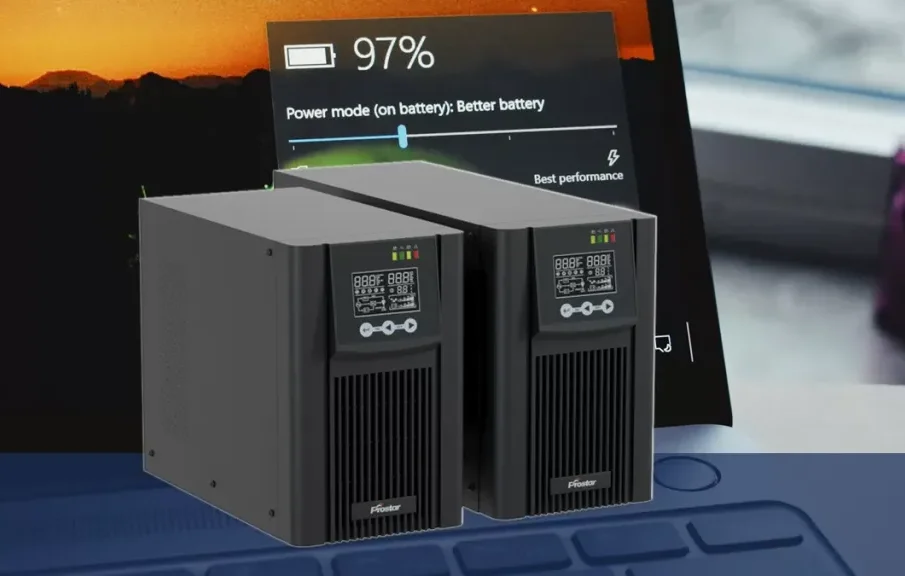
In Thailand, a consistent power source is essential for both home and business. Power fluctuations and sudden outages, common during storm seasons, can damage sensitive electronics and lead to data loss. An uninterruptible power supply, or UPS, provides a reliable battery backup, giving you time to save your work and shut down equipment safely. Understanding how to select the right device is important for protecting your valuable electronics.
Choosing the correct UPS power supply involves looking at your specific requirements. Not all devices are created equal, and the one that suits a large office will differ from what a home user needs. Think about the equipment you want to protect. Is it a single home computer, a complex entertainment system, or a server room for your business? Each setup has unique power demands. The first step is to identify what needs protection and calculate its total power consumption.
This calculation will guide your decision on the capacity of the UPS you need. The capacity is measured in Volt-Amperes (VA) and Watts (W). You can find the power consumption of your devices, usually listed in watts, on their power adapters or in their manuals. Summing up the wattage of all the equipment you plan to connect will give you a total figure. It’s a good practice to choose a UPS with a capacity that is about 20-25% higher than your total load. This extra room ensures the UPS can handle power demands without being strained.
There are three main types of UPS systems to consider: standby, line-interactive, and online. A standby UPS is the most basic type, switching to battery power when it detects a problem. It’s a good, cost-effective choice for home PCs and small office equipment.
A line-interactive UPS is a step up. It actively corrects minor power fluctuations without switching to the battery. This type is ideal for areas with frequent brownouts or voltage sags, offering better protection for servers and networking equipment. It provides a good balance between cost and performance for many small businesses in Thailand.
The most advanced option is the online UPS. It continuously powers your devices from its battery, which is always being charged by the mains. This setup completely isolates your equipment from power grid disturbances. An online UPS provides the highest level of protection and is best suited for essential systems like medical equipment, data centres, and industrial applications where even a momentary power interruption is unacceptable.
Finally, think about runtime. This is how long the UPS can power your connected devices during an outage. Runtimes can range from a few minutes to over an hour. A few minutes might be enough to save your documents and shut down a computer. For network equipment or servers, a longer runtime might be needed to maintain operations until power is restored or a generator kicks in. By considering your devices, power needs, and required runtime, you can confidently select the perfect UPS.